A Veteran's Guide to Medical Weight Loss Success


Understanding Medical Weight Loss
For many veterans, maintaining a healthy weight can be a significant challenge due to various factors such as lifestyle changes, injuries, and stress. Medical weight loss offers a structured and scientifically backed approach to achieving and maintaining a healthy weight. Unlike fad diets, it focuses on long-term success through personalized care.
Medical weight loss programs are typically supervised by healthcare professionals. They combine a variety of strategies, including nutritional guidance, physical activity, and sometimes medication, to help individuals achieve their weight loss goals effectively and safely.
Setting Realistic Goals
One of the keys to success in medical weight loss is setting realistic and achievable goals. It's important to understand that weight loss is a gradual process. Setting small, attainable goals can lead to more significant achievements over time.
Start by working with your healthcare provider to assess your current health status and determine a target weight that is healthy for you. This individualized approach helps tailor the program to your specific needs, making it more effective.
Tracking Progress and Staying Motivated
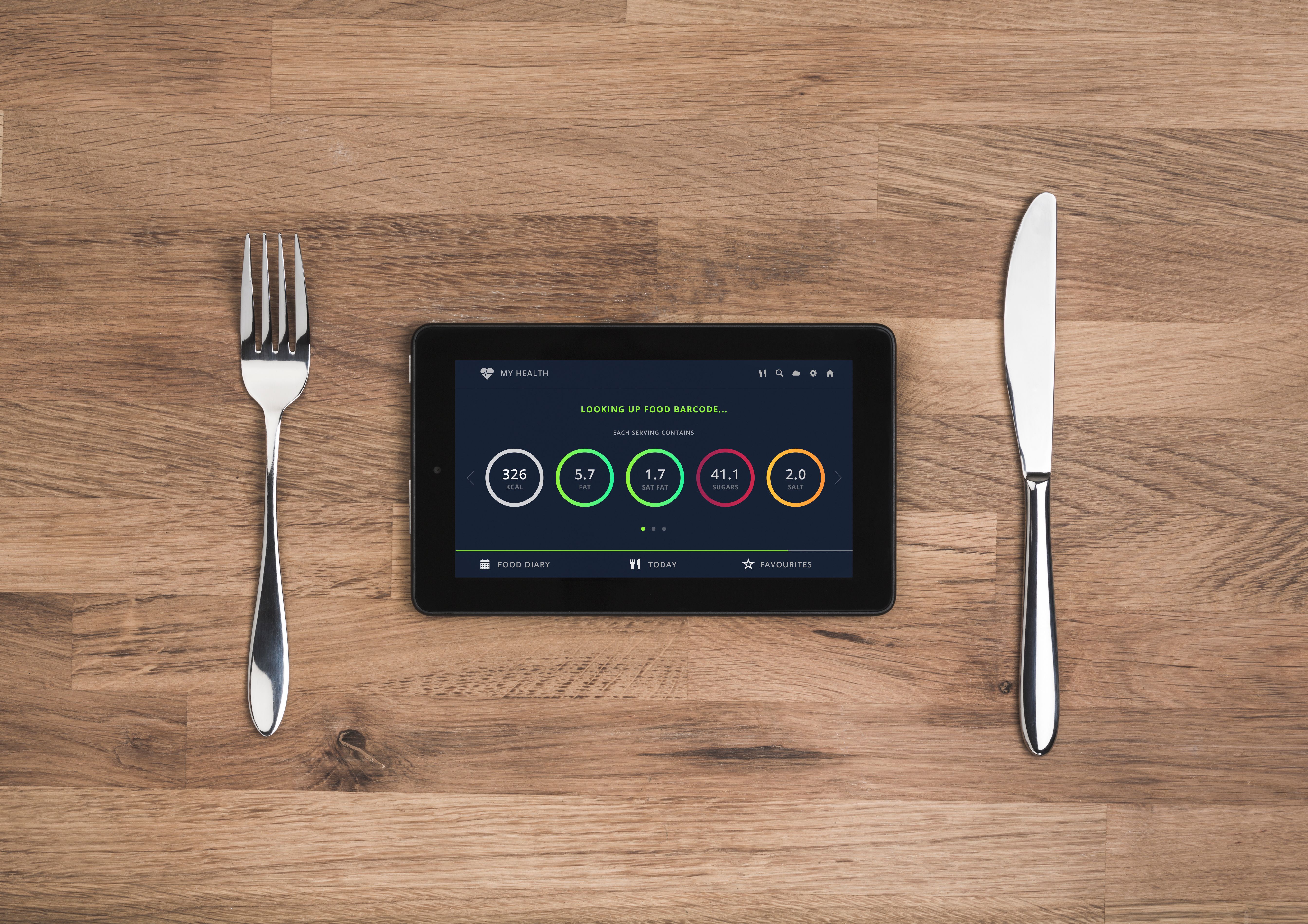
Tracking progress is crucial in staying motivated throughout the weight loss journey. Consider keeping a journal or using apps to monitor your daily activities, food intake, and achievements. This not only helps in keeping you accountable but also allows you to celebrate small victories along the way.
Embracing a Balanced Diet
A balanced diet is the cornerstone of any successful weight loss program. Focus on incorporating a variety of foods that provide essential nutrients, including lean proteins, whole grains, fruits, and vegetables. Reducing processed foods and sugars can also make a significant difference.
Working with a nutritionist can provide personalized meal plans that align with your dietary preferences and requirements, making it easier to stick to your plan.
The Role of Exercise
Physical activity is another crucial component of medical weight loss. Tailor your exercise routine to fit your physical abilities and preferences. Whether it's walking, swimming, or strength training, find activities that you enjoy and can sustain over the long term.
- Start slowly and gradually increase intensity.
- Incorporate both cardio and strength training.
- Stay consistent and make exercise a regular part of your routine.

Support Systems and Community
Having a strong support system can significantly impact your weight loss journey. Whether it's family, friends, or fellow veterans, surrounding yourself with supportive individuals can provide encouragement and accountability.
Consider joining support groups or online communities where you can share experiences, challenges, and successes. Connecting with others who are on a similar journey can be incredibly motivating.
Overcoming Challenges
It's normal to face challenges during your weight loss journey. Plateaus, setbacks, and temptations are all part of the process. The key is to remain patient and persistent. Remember that every step you take towards a healthier lifestyle is a victory in itself.
Consult with your healthcare team regularly to adjust your plan as needed. They can offer guidance and support to help you stay on track.