
How Personalized Therapy Plans Enhance Health Outcomes


The Importance of Personalized Therapy Plans
In recent years, healthcare has increasingly embraced the concept of personalized therapy plans. These plans are designed to cater to the unique needs of each patient, ensuring that treatment is not only effective but also aligns with the individual's specific health conditions, lifestyle, and preferences. This approach marks a significant shift from the one-size-fits-all model, offering numerous benefits to patients and healthcare providers alike.
Personalized therapy plans are created after a comprehensive assessment of the patient's medical history, genetic makeup, and current health status. By considering these factors, healthcare professionals can develop a treatment plan that targets the root cause of the condition, rather than merely addressing the symptoms. This method not only enhances the likelihood of a successful outcome but also minimizes the risk of adverse effects.
Benefits of Tailored Treatments
One of the most compelling advantages of personalized therapy plans is their ability to improve patient compliance. When patients understand that their treatment is specifically designed for them, they are more likely to adhere to the prescribed regimen. This increased compliance leads to better health outcomes and reduces the chances of relapse or complications.
Moreover, personalized therapy plans often incorporate a multidisciplinary approach, involving a team of healthcare professionals from various specialties. This collaborative effort ensures that all aspects of the patient's health are considered, leading to a more holistic treatment strategy. For example, a personalized plan for a patient with diabetes may include dietary changes, exercise recommendations, and medication management, all tailored to the individual's needs.

Utilizing Technology in Personalized Therapy
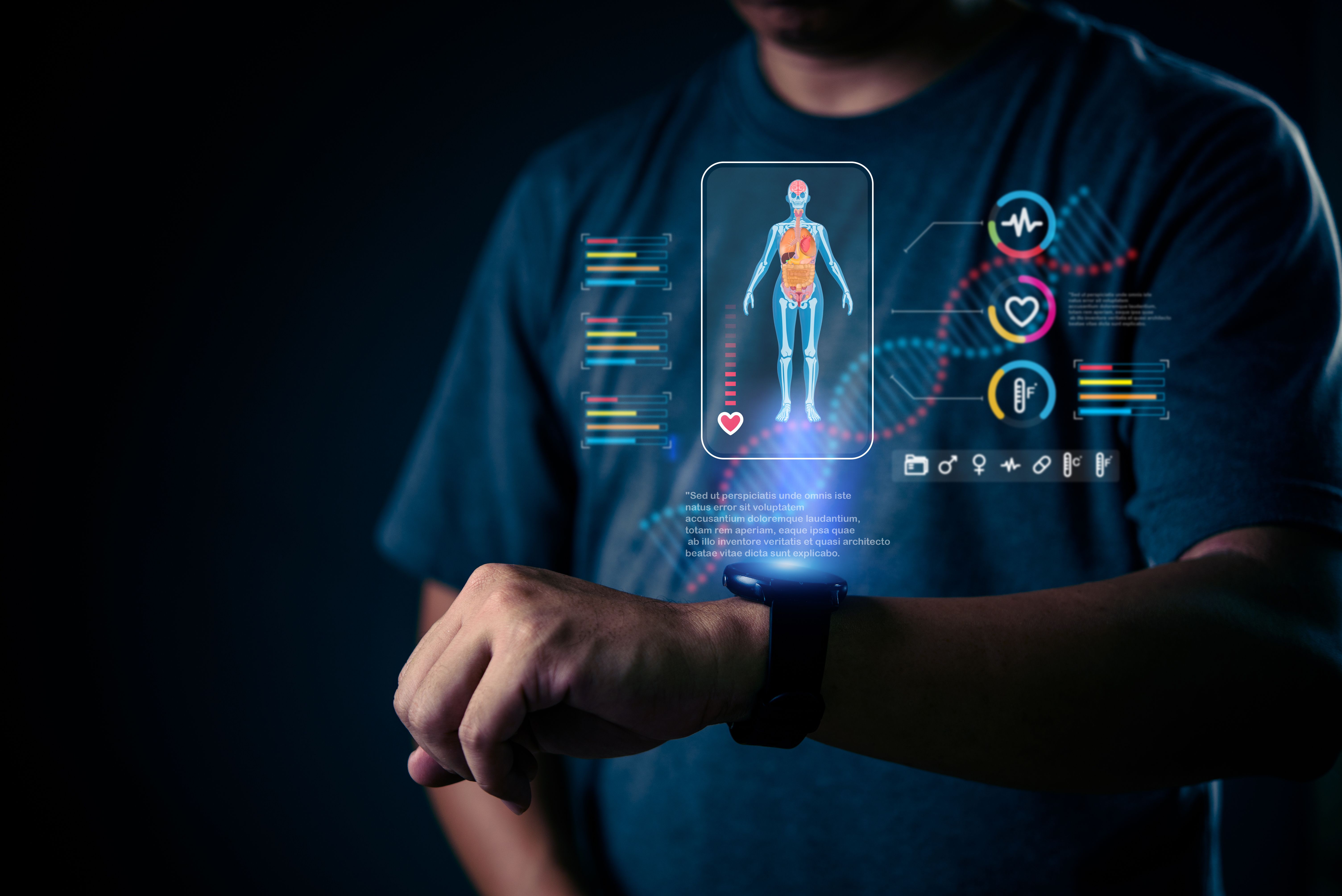
The integration of technology has further enhanced the effectiveness of personalized therapy plans. Tools such as genetic testing, wearable devices, and health apps provide valuable data that can be used to refine treatment strategies. These technologies allow healthcare providers to monitor patients in real-time, making it easier to adjust plans as needed and ensure optimal results.
Additionally, telemedicine has made it possible for patients to receive personalized care from the comfort of their homes. This convenience not only improves accessibility but also encourages regular communication between patients and healthcare providers. As a result, any concerns or changes in the patient's condition can be addressed promptly, preventing potential health issues from escalating.

Challenges and Future Directions
While personalized therapy plans offer numerous benefits, they are not without challenges. Developing these plans can be time-consuming and require significant resources. Additionally, there may be difficulties in accessing the necessary patient data, especially in cases where technology adoption is limited.
However, as the healthcare industry continues to evolve, these challenges are likely to diminish. Advances in technology and increased awareness of personalized medicine are paving the way for more efficient and accessible solutions. In the future, we can expect to see even greater integration of personalized therapy plans into standard healthcare practices, ultimately leading to improved health outcomes for patients worldwide.

Conclusion
Personalized therapy plans represent a significant advancement in the field of healthcare. By focusing on the individual needs of each patient, these plans enhance the effectiveness of treatments and improve overall health outcomes. As technology continues to evolve, the potential for personalized medicine will only grow, offering new opportunities to improve patient care and revolutionize the healthcare landscape.